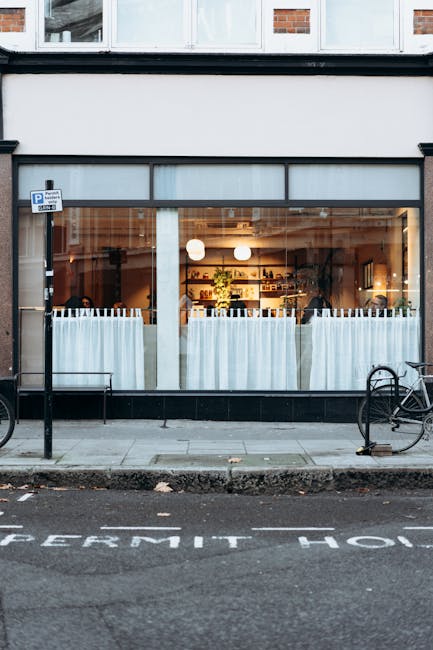
Parking permit guide Westminster Council for Maida Vale movers
If you are moving in Maida Vale, parking can be the bit that quietly unravels the whole day. One missed bay, one suspended space, one permit issue, and suddenly the van is circling, the sofa is waiting, and the clock is doing that annoying thing where it seems to move faster than you do. This Parking permit guide Westminster Council for Maida Vale movers is here to make the process feel manageable, not mysterious. You will find a practical explanation of how Westminster parking permissions usually work, what movers need to check in advance, and how to reduce the chance of delays on moving day.
We will also cover the sorts of problems that catch people out in Maida Vale specifically: controlled parking zones, resident bays, loading restrictions, timing windows, and what to do when you are using a man and van service or a larger vehicle for a flat or house move. Fair warning: the details matter. But once you know the system, it becomes a lot less stressful.
Expert summary: The safest approach is to treat parking as part of the move itself, not an admin task to be sorted at the end. Confirm the street rules early, plan your van size around the location, and build in a little buffer. In London, that buffer is never wasted.
Table of Contents
- Why Parking permit guide Westminster Council for Maida Vale movers Matters
- How Parking permit guide Westminster Council for Maida Vale movers Works
- Key Benefits and Practical Advantages
- Who This Is For and When It Makes Sense
- Step-by-Step Guidance
- Expert Tips for Better Results
- Common Mistakes to Avoid
- Tools, Resources and Recommendations
- Law, Compliance, Standards, or Best Practice
- Options, Methods, or Comparison Table
- Case Study or Real-World Example
- Practical Checklist
- Conclusion
- Frequently Asked Questions
Why Parking permit guide Westminster Council for Maida Vale movers Matters
Parking in Maida Vale is not just about convenience. It affects loading times, the safety of your belongings, whether the removal van can stop close enough to the entrance, and whether the entire move stays within schedule. Westminster streets can be tight, busy, and heavily controlled, which means a move that looks straightforward on paper can become awkward very quickly.
Think about a second-floor flat with a narrow stairwell and a busy one-way street outside. If the van cannot stop near the building, every extra metre becomes another trip. That is a lot of wasted energy. It is also where people start underestimating how long the move will take. A permit or dispensations arrangement, where appropriate, can make the whole process smoother.
For movers, the main reason this matters is simple: parking affects the practical reality of the relocation. Even a good flat removals plan can fall apart if the van has nowhere legal to wait. In a dense part of London, legal stopping space is not a luxury. It is part of the job.
It also matters because parking mistakes can create avoidable stress. Nobody wants to be dealing with a frustrated neighbour, a driver trying to keep the engine off while waiting, or a hurried reshuffle of boxes in the rain. Truth be told, the parking issue is often the difference between a calm move and a day that feels a bit chaotic from minute one.
How Parking permit guide Westminster Council for Maida Vale movers Works
Westminster's parking arrangements are typically built around controlled zones, time limits, permit-only bays, loading restrictions, and road markings that tell you what is allowed and when. For movers, the exact requirement depends on the street, the day, the time, and the vehicle you are using. There is no single rule that fits every Maida Vale address. That is why checking the location in advance is so important.
In practical terms, the process usually starts with identifying the street where the van will need to stop. Then you check whether it is a resident bay, a pay-and-display bay, a loading bay, or an area with waiting restrictions. If the vehicle will be stationary for more than a quick drop-off, you may need a permit, dispensation, or a different loading strategy. Sometimes the answer is simply to time the move carefully. Other times, the street makes that impossible, and you need a plan B.
For example, a smaller vehicle such as a removal van may be easier to place close to the property than a larger lorry. But size alone does not solve everything. A compact van parked in the wrong bay can still trigger enforcement. That is why drivers and customers need to think about location first, vehicle second.
Another thing people overlook is the loading/unloading window. On some streets, stopping for a moving job is tolerated only if it is clearly active loading. That means boxes should be coming out, furniture should be moving, and the stop should be directly connected to the relocation. Standing around with doors open and nothing happening? That is the sort of thing that tends to attract attention. Not ideal.
Key Benefits and Practical Advantages
Getting parking sorted before moving day is not just a nice-to-have. It brings practical advantages that can save time, reduce friction, and make the whole move feel less frantic.
- Less time lost searching for space: the van arrives with a workable stopping point in mind.
- Faster loading and unloading: when the vehicle is close, crews can move efficiently.
- Lower risk of damage: fewer long carries mean less chance of bumping walls, bannisters, or door frames.
- Better timing control: if the move is scheduled tightly, parking certainty helps the day run to plan.
- Reduced stress for everyone: the driver, the movers, and you are not left improvising in the street.
There is also a less obvious benefit: parking planning supports better packing decisions. If you know the van will be parked a short walk away, you may choose stronger boxes, lighter loads, and a more organised sequence. That kind of thinking pays off. Especially on moving day, when everyone gets a little more tired than they expected by mid-afternoon.
For customers using home moves services, parking prep is part of the service quality. It helps the mover protect your furniture and keep the schedule realistic. And for anyone comparing options, that should matter just as much as price.
Who This Is For and When It Makes Sense
This guide is for anyone moving in or out of Maida Vale where roadside parking could affect the removal vehicle. That includes tenants, homeowners, landlords coordinating a property handover, students with smaller loads, and businesses relocating to or from nearby streets.
It makes particular sense if any of the following apply:
- your street has controlled parking restrictions
- you live in a mansion block, converted flat, or a road with limited lay-by space
- the moving van will need to stay for longer than a quick drop
- you are moving at a busy time of day
- you are using a larger vehicle for furniture, white goods, or a full household move
- you want to avoid last-minute changes on the morning of the move
Students and renters often assume parking will be "fine" because the move is small. Sometimes that is true. But not always. A few boxes, a mattress, and a wardrobe frame can still take longer than expected once you are carrying things up stairs, down narrow hallways, or around awkward entrances. It only takes one badly parked car to turn a quick job into a messy one.
For offices and commercial relocations, the stakes are higher because timing can affect staff access, deliveries, and building rules. If that sounds familiar, it may be worth reviewing office removals options alongside the parking plan. A good move is rarely about one detail. It is usually the combination of several small things going right.
Step-by-Step Guidance
Below is a straightforward way to organise parking for a move in Maida Vale. No drama, just a sensible process.
- Check the exact address and street conditions. Do not rely on memory. Stand outside the property if you can, or look carefully at the road markings and signs. One side of the road may be different from the other.
- Work out the type of vehicle you need. A smaller van may fit more easily than a large truck. If you are still deciding, look at the practical differences between a man with van setup and larger removal truck hire.
- Identify where loading could happen legally. Look for loading bays, short-stay spaces, or any restrictions that might affect stopping. Do not assume hazard lights make it acceptable. They do not, really.
- Decide whether a permit, dispensation, or alternative approach is needed. The right solution depends on the street and the duration of the stop. If the road is tight or heavily restricted, start this conversation early.
- Build the parking plan into the moving schedule. If the van must arrive at a certain time, make sure packing, lift access, and key collection are ready beforehand.
- Notify everyone who needs to know. That includes the driver, the building manager if relevant, and any neighbours who may be affected.
- Prepare the loading zone. Keep pathways clear, set boxes near the exit where safe, and make sure the front door or communal entrance is accessible.
- Have a backup plan. If the first parking option is unavailable on the day, know the nearest alternative. Moving without a fallback is how people end up losing half an hour and a bit of their sanity.
If you are moving a larger household, the parking plan should be reviewed alongside packing and item protection. Services such as packing and boxes can help make the loading stage more organised, which matters even more when the vehicle needs to be parked efficiently and unloaded quickly.
Expert Tips for Better Results
Here are the small things that tend to make the biggest difference in real moves.
- Measure the narrow bits. That means doorways, stair turns, and the practical distance from the stop point to the entrance. A parking space that looks "close enough" may still be a grind if you are carrying bulky furniture.
- Choose the right time of day. Early starts are usually calmer. Streets are often easier before the daily rush builds.
- Keep the load sequence logical. Put the heaviest or most awkward items closest to the door so they can go in first.
- Use the vehicle size honestly. Bigger is not always better. A van that is too large for the street can create more problems than it solves.
- Allow for weather. Rain changes everything. Boxes soften, floors get slippery, and loading takes longer. London has a way of reminding you of that just when you least need it.
- Speak to the driver early. A local driver familiar with Westminster streets will often have better instincts about where stopping is realistic.
One useful habit is to do a quick "street reality check" the day before. Stand outside for two minutes. Look at the signs. Notice the traffic. See where cars are actually stopping, not just where they theoretically should. That tiny pause can save a lot of guesswork.
If your move involves a lot of high-value or fragile items, it may also be worth checking insurance and safety information so you understand how the move is being handled. Not because you expect trouble, but because clarity is always reassuring.
Common Mistakes to Avoid
Parking issues are rarely caused by one giant mistake. Usually it is three or four small oversights stacking up. The most common ones are below.
- Leaving parking until moving day. By then, your options are already reduced.
- Assuming a quick stop is always allowed. Loading rules still apply, and streets can be stricter than they first appear.
- Not checking the exact bay type. Resident, visitor, pay-and-display, loading bay, suspended bay - these are not interchangeable.
- Booking a vehicle that is too big for the street. It may fit on the road in theory and still be useless in practice.
- Forgetting about communal access. A parking spot near the building means little if the lift is out or the entrance is restricted.
- Ignoring furniture protection. If the van is further away than planned, more carrying means more chance of knocks and scrapes.
One classic mistake is underestimating how long it takes to move bulky items from a legal parking space to the front door. A sofa is not just a sofa on a moving day; it becomes a doorway puzzle, a stairwell puzzle, and a wrist-strength test. Not exactly glamorous.
Another mistake is failing to align the parking plan with your chosen service. If you are using a smaller van service for a compact flat move, that can be efficient. But if you are moving a whole house, then a larger house removals setup may need more careful stopping arrangements.
Tools, Resources and Recommendations
You do not need a complicated toolkit, but you do need the right information in one place. These are the most useful things to have before the move:
- The full move address with postcode and any flat or building details
- Vehicle dimensions if the van size is still being decided
- Building access notes such as lift access, concierge hours, or entrance codes
- Parking sign details from the street outside the property
- Moving-day timeline including key collection and loading order
- Contacts for the driver and property manager
For people arranging a more involved move, it helps to compare services based on real convenience rather than headline price alone. If you are moving a sizeable load, browsing removals support alongside the parking plan can help you think through the whole job rather than just the transport piece.
And if you want to get the paperwork and timings in order, it can also help to check pricing and quotes early so your move budget reflects the vehicle, labour, and likely time on site. Sometimes the cheapest option on paper becomes the more expensive one once delays are added in. A bit annoying, but common.
Law, Compliance, Standards, or Best Practice
Parking around moving vehicles in Westminster is shaped by local parking controls, road markings, and traffic rules. The exact permission needed will depend on the street and the nature of the stop. Because of that, it is best to treat this as a compliance issue as well as a practical one.
Best practice is straightforward:
- follow the posted signs on the street
- do not block access, dropped kerbs, or clearways
- use a loading bay only where its conditions allow it
- avoid leaving the van unattended where restrictions apply
- plan for safe pedestrian movement around the vehicle
For removal work, safety matters as much as legality. A well-run move should protect people first, then property, then timing. If the van is parked in a way that makes the pavement awkward or forces people into traffic, the plan needs adjusting. No one wants that conversation on a busy road with a trolley halfway out the back.
Professional movers should also have clear procedures for vehicle loading, manual handling, and site safety. If you are comparing providers, reviewing their health and safety policy can give you a sense of how seriously they approach the practical side of the work.
Options, Methods, or Comparison Table
There are several ways to handle parking for a Maida Vale move. The right choice depends on the street, the load size, and the length of time the vehicle needs to stop.
| Option | Best for | Pros | Trade-offs |
|---|---|---|---|
| Short legal loading stop | Small moves, minimal items | Simple, fast, often efficient | Limited time and space |
| Permit or dispensation planning | Longer loading periods | More certainty, better for larger moves | Requires advance organisation |
| Smaller vehicle in tighter streets | Maida Vale roads with limited space | Easier manoeuvring, more flexible stopping | May require extra trips |
| Full removals team with structured loading | Households with larger furniture or multiple rooms | Better speed, less strain on the customer | Usually needs more careful planning |
In real life, people often begin by wanting the simplest option. That makes sense. But the simplest option is only simple if it fits the street. If not, it becomes fiddly fast. A smaller vehicle can be the smarter decision for a narrow road, while a more comprehensive move may justify a more organised team and a different loading approach.
If you are in between options, a good middle ground is often a flexible local man with a van arrangement with clear parking planning. It is not the answer every time, but for many Maida Vale properties it is a genuinely practical fit.
Case Study or Real-World Example
Here is a realistic moving-day scenario that comes up often in Maida Vale.
A couple is moving from a third-floor flat on a residential street into a nearby house. The flat has a narrow staircase and no lift. The van is booked for late morning, and both people assume there will be room outside because they have seen cars parked there before. On the day, a resident bay is full, one space is suspended for nearby works, and the only open spot is further down the road than expected.
Instead of panicking, the mover does a quick check, selects a smaller stopping point that is still legal, and keeps the loading sequence tight. Boxes are moved first, then dismantled furniture, then the larger items. It is not glamorous. It is a bit noisy, a bit sweaty, and there is a moment where someone mutters, "of course the wardrobe is the last awkward thing." But the move stays on track because the parking plan was flexible.
The lesson? The best parking strategy is not always the one that looks perfect on paper. It is the one that still works when the street is busier than expected. That little bit of flexibility can save the day.
Practical Checklist
Use this checklist the day before and again on the morning of the move.
- Confirm the exact moving address and postcode
- Check street signs and bay markings outside the property
- Identify whether loading is allowed and for how long
- Match the vehicle size to the road space available
- Tell the mover about any access issues, stairs, or lift restrictions
- Keep entrances, hallways, and the loading path clear
- Prepare boxes and furniture in a sensible loading order
- Have contact details ready for the driver and property manager
- Allow extra time for traffic, delays, or parking changes
- Keep a backup parking plan in mind
If you are moving a student flat, a shared house, or a small rental, it may also be worth considering student removals support, especially if parking is awkward but the load is still too much for a normal car. Sometimes the smallest moves are the most fiddly. That is just how it goes.
Conclusion
Parking planning for a Westminster move is not the exciting part, but it is often the part that protects everything else. If you get it right, the day feels calmer, quicker, and far more controlled. If you get it wrong, even the best-packed boxes can end up waiting in the hallway while everyone figures out where the van can legally stop.
The good news is that Maida Vale movers do not need to guess. By checking the street, matching the vehicle to the location, allowing time for loading, and thinking through the practicalities in advance, you can avoid most of the usual headaches. It is one of those moving tasks that feels a bit tedious until you realise how much stress it saves. Then it suddenly seems very worth it.
For a smoother move, keep the parking plan tied to the rest of your relocation checklist, from packing and access to the right vehicle and safe loading. That joined-up approach is what turns a complicated day into a manageable one.
Get a free quote today and see how much you can save.
Frequently Asked Questions
Do I need a parking permit for moving in Maida Vale?
It depends on the exact street, the type of bay, and how long the vehicle will need to stop. Some roads allow loading in certain circumstances, while others are much stricter. Always check the signs outside the property rather than assuming it will be fine.
Can a removal van stop in a resident bay?
Not automatically. Resident bays are usually controlled spaces, so a moving vehicle may only be allowed there under specific conditions. The safest approach is to check the local restrictions before the day of the move.
What if the street is too narrow for a large van?
That is common in parts of Westminster. In that case, a smaller vehicle or a different loading plan may be more practical. Sometimes it is better to choose a van that can stop legally and safely, even if it means a couple of extra trips.
How far in advance should I sort parking for my move?
The earlier the better. A few days in advance is ideal, but even a careful check the day before is better than leaving it to the morning. Parking is one of the first things that causes trouble when left too late.
What should I tell my removal company about parking?
Give them the full address, the likely stop point, any restrictions, and anything odd about the street, such as roadworks or a narrow entrance. The more they know, the easier it is to plan the right vehicle and loading approach.
Are loading bays always available for removals?
No. They may have time limits or conditions attached, and some are heavily used. Do not assume availability. On a busy day, a loading bay can be occupied before you even arrive.
Is a smaller van always better for Maida Vale?
Not always, but it is often easier to place on tight streets. A smaller van can reduce parking stress, yet it may also require more trips. The best choice depends on the size of your move and the access outside the property.
What happens if parking is not available on moving day?
You may need to use a backup bay, adjust the loading point, or reorganise the schedule. That is why it helps to have a plan B in advance. Otherwise, the whole move can stall while everyone tries to improvise.
Can I use hazard lights and just stop briefly?
Hazard lights do not make stopping legal where restrictions apply. They are not a pass. If the street rules do not allow it, the vehicle still risks enforcement even if the stop is short.
How do parking rules affect flat removals?
They matter a lot because flats often involve stairs, narrow entrances, and longer carrying distances. If the van cannot stop close by, the move takes longer and becomes more physically demanding. That is why parking planning is especially important for flat removals.
What is the best way to reduce moving-day delays?
Combine three things: check the parking rules early, choose the right vehicle size, and prepare the load so everything can move quickly once the van is in position. That simple combination prevents a surprising amount of stress.
Should I choose removals or a man and van for a small Maida Vale move?
It depends on the load, the access, and the parking situation. A smaller move may suit a flexible man and van setup, while a larger household may need a fuller removals service. If your street is tight, parking should be part of that decision from the start.