Warwick Avenue man with a van tips for narrow street removals
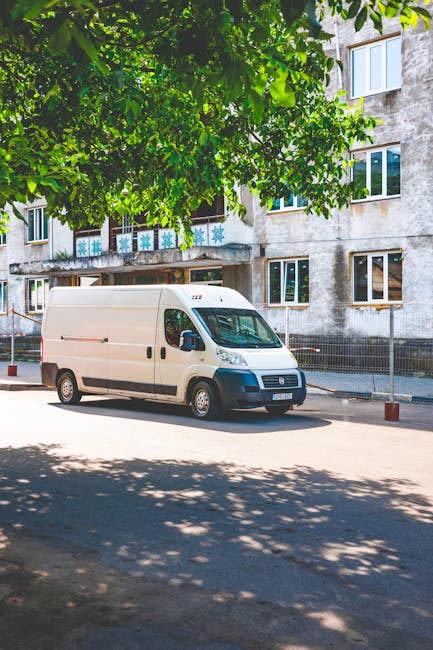
If you are planning a move around Warwick Avenue, you probably already know the issue: the streets can be tight, parking can vanish in a blink, and one badly placed van can throw the whole day off. That is exactly why Warwick Avenue man with a van tips for narrow street removals matter so much. A good move here is not about brute force. It is about timing, access, planning, and a calm head when a delivery lorry, a school run, or a neighbour's car appears at the worst possible moment.
Truth be told, narrow street removals can feel a bit like chess in real life. You need to think three moves ahead. In this guide, you will find practical ways to prepare, load, park, protect your belongings, and choose the right service for a local move that has to work in less-than-spacious conditions. If you want to understand the wider service picture too, it can help to review the services overview and the dedicated man with a van in Maida Vale page before you book.
We will keep this grounded and useful. No fluff. Just the sort of advice that helps you avoid delays, protect your furniture, and make a narrow street move feel a lot more manageable. And yes, a little local awareness goes a long way.
Table of Contents
- Why Warwick Avenue man with a van tips for narrow street removals Matters
- How Warwick Avenue man with a van tips for narrow street removals Works
- Key Benefits and Practical Advantages
- Who This Is For and When It Makes Sense
- Step-by-Step Guidance
- Expert Tips for Better Results
- Common Mistakes to Avoid
- Tools, Resources and Recommendations
- Law, Compliance, Standards, or Best Practice
- Options, Methods, or Comparison Table
- Case Study or Real-World Example
- Practical Checklist
- Conclusion
- Frequently Asked Questions
Why Warwick Avenue man with a van tips for narrow street removals Matters
Warwick Avenue and the surrounding streets are not forgiving if you turn up unprepared. Narrow roads mean less room for reversing, fewer legal parking options, and a higher chance of blocking traffic if loading takes longer than expected. That is awkward for you, awkward for neighbours, and stressful for the crew. So the point of good planning is not just convenience. It is keeping the whole move safe, lawful, and efficient.
In practical terms, narrow street removals often involve one or more of these problems:
- tight turning space for the removal van
- limited or suspended parking near the property
- stairs, basement access, or awkward front steps
- shared entrances and controlled access points
- busy local traffic that makes timing matter more than usual
That last point is easy to underestimate. A move that seems simple at 9:30 a.m. can become much harder by lunch if the street gets busier or a space disappears. Anyone who has tried to edge a van past parked cars with mirrors on both sides knows the feeling. A few extra minutes of planning can save a lot of faffing about later.
It also matters because the type of service you choose should fit the location. A large removal lorry may be ideal on a wide suburban road, but a smaller vehicle, a flexible crew, or a split-load approach can be far smarter in a compact London street. If you are weighing up options, the removal van service and the broader removal services in Maida Vale pages are useful starting points.
How Warwick Avenue man with a van tips for narrow street removals Works
At a simple level, a man with a van move in a narrow street works by reducing friction. Smaller vehicles can get closer to the property. The team loads more efficiently. Access is assessed early. And the move is broken into manageable steps rather than treated like a one-size-fits-all job.
Here is what usually happens when the process is handled well:
- Access is checked in advance. The mover asks about road width, parking restrictions, entry steps, lift access, and any time limits.
- Vehicle size is matched to the street. Not every job needs the same van size. Sometimes smaller is better, full stop.
- Loading is planned by priority. The items needed first or most fragile pieces are loaded in a way that suits the route and unloading order.
- Parking and timing are arranged. The crew tries to minimise blocking and keep loading windows tight.
- Protection is used properly. Blankets, straps, trolleys, and covers reduce damage when hallways are narrow and corners are awkward.
This is where a local operator often has an edge. Someone who regularly works in Maida Vale, Little Venice, and nearby streets tends to understand the practical realities better than someone who has only ever worked in open suburban roads. That local knowledge is worth a lot, especially when the van has to stop quickly, load fast, and move on before a neighbour needs the space.
And if you need a broader house move rather than a light move, it is worth comparing a smaller vehicle approach with a more structured house removals Maida Vale service or even flat removals support if stairs and access are part of the picture.
Key Benefits and Practical Advantages
Choosing a man with a van setup for a narrow Warwick Avenue street can be the smartest option for several reasons. It is not only about price, though that often helps. It is about flexibility, access, and matching the scale of the service to the reality of the street.
1. Better access in tight spaces
Smaller vehicles are easier to position in narrow roads. That can mean less walking distance, quicker loading, and fewer awkward manoeuvres. For a ground-floor flat or a compact one-bedroom move, that can make a real difference.
2. Faster, more focused loading
Man and van teams are often set up for efficient point-to-point work. If your belongings are already packed and ready, the move can move along briskly. That matters on streets where you cannot sit still for long.
3. More flexible scheduling
Smaller moves can often be fitted into tighter time slots, which is useful if you are dealing with completion times, student move dates, or a landlord handover. If you are in a pinch, the same-day removals page is worth a look.
4. Reduced pressure on neighbours and traffic
Less blocking, less noise, less standing around. That is the ideal. In a busy residential area, goodwill matters. Nobody enjoys a van that sits outside for ages with a half-open door and a traffic jam forming behind it. Not ideal, to say the least.
5. Better fit for smaller or partial moves
If you are only moving part of a household, a few heavy items, or a mix of boxes and furniture, a man with a van can be far more practical than booking a larger operation. This is especially true if you are moving items in stages or using storage between addresses. For that, the storage service can be a sensible companion option.
| Move type | Best vehicle approach | Why it works in a narrow street |
|---|---|---|
| Studio or one-bedroom flat | Small to medium van | Easier parking and quicker loading without blocking the road for long |
| Partial household move | Man with a van | Flexible and cost-conscious for fewer items |
| Large family move | Multiple trips or larger removal service | Reduces congestion and avoids oversizing the vehicle |
| Bulky item delivery | Specialist van with protection | Better for awkward corners, stairs, and narrow entrances |
Who This Is For and When It Makes Sense
This kind of move is especially useful if you live or are moving around a compact London street where parking is tight and every metre matters. If that sounds familiar, you are probably already nodding along.
It tends to make the most sense for:
- Flat movers dealing with stairs, narrow entrances, or basement access
- Students moving with fewer possessions and a fixed handover date
- Renters who need an affordable move without a full team
- Homeowners moving part-loads, overflow items, or furniture only
- Office users relocating a few desks, chairs, and files rather than an entire floor
- Anyone on a tight timetable where access and speed matter more than a huge truck
If you are dealing with furniture that needs careful handling, the dedicated furniture removals page explains how the service is typically approached. For more delicate instruments or heavy upright pieces, piano removals in Maida Vale is the more relevant specialist route.
One thing people sometimes overlook: narrow street removals are not just about the street. They are also about the route from the front door to the van. A narrow hallway, a tight stairwell, or a heavy front door that sticks in winter can slow things down just as much as the road outside. Small detail, big impact.
Step-by-Step Guidance
If you want the move to go smoothly, treat it like a short project rather than a last-minute errand. That mindset helps more than you might think.
Step 1: Measure the practical access, not just the room sizes
Measure doorways, hallways, stairs, and any bends that could catch larger items. Then think about where the van can actually stop. A sofa might fit the flat, but can it get past the banister? Can the mattress turn at the top of the stairs? These are the questions that save time later.
Step 2: Share honest details with the mover
Be clear about the street width, parking rules, heavy items, and any awkward access. A good mover would rather hear the difficult bits upfront. If you are unsure, ask for advice before you book. You can usually start with the contact page or review the pricing and quotes information to understand what affects the estimate.
Step 3: Pack for speed and stacking
Use sturdy boxes of sensible weight. Label them by room and note fragile items clearly. In a narrow street move, time matters, so the easier your boxes are to handle, the better. Heavy books in small boxes. Light bedding in larger ones. Simple, but it works.
Step 4: Reserve access where possible
If there is a parking bay, loading area, or a space that can be legally arranged in advance, do it. Rules vary depending on location, so always check with the relevant local authority or property management where needed. The aim is not to guess. It is to avoid a fine, a delay, or a very awkward conversation with a neighbour.
Step 5: Prepare the route from home to van
Clear mats, shoes, cables, and anything likely to trip someone carrying a heavy item. Keep children and pets out of the load path. A clean route may sound obvious, but during a move, obvious things are exactly what get forgotten.
Step 6: Load in the right order
Usually, the heavier and sturdier items go in first, with fragile items protected and secured on top or in safer areas. Use straps and blankets. Do not leave gaps if you can avoid them; shifting cargo causes damage. It also sounds horrible in the back of the van. That rattling sound is nobody's favourite soundtrack.
Step 7: Confirm unloading priorities
Before the van leaves, decide what needs to come out first at the destination. Bedding? Kitchen boxes? The kettle? In real life, these little choices make the first hour in the new place much less chaotic.
Expert Tips for Better Results
Here are the practical tips that tend to make the biggest difference on narrow London streets. Not dramatic. Just effective.
- Book a time with less street traffic. Early morning is often easier than late morning, though it depends on the area and local routines.
- Use smaller, more frequent loads if needed. If the street is especially tight, one van doing two careful trips can be better than trying to force a larger job into one run.
- Keep essentials separate. Put documents, chargers, keys, medication, and a change of clothes in one clearly marked bag.
- Protect corners and edges. Hallway walls and door frames take the brunt of rushed moves. A sheet of card or a blanket can prevent annoying scuffs.
- Ask about insurance and handling. Good operators should be able to explain how they protect items and what their cover approach is. The insurance and safety page is useful reading here.
- Think about sustainability. If you are decluttering, recycling, reusing boxes, or donating items, a bit of planning reduces waste and lowers the overall load. See the recycling and sustainability information for a sensible overview.
A small but useful trick: stack the items you will need first near the door the night before. That way, when the move starts, you are not hunting around for the box with the charger and the tea bags in it. Been there, regretted that.
Another good one is to tell the mover if any piece is oddly heavy despite looking small. A cast-iron table base, a file cabinet, a piano stool with hidden weight - those things can catch people out. And they always seem to arrive with a smile on their face, don't they?
Common Mistakes to Avoid
Narrow street removals can go wrong in predictable ways. The good news is that most of them are avoidable.
- Underestimating parking restrictions. "We should be fine" is not a plan.
- Booking a vehicle that is too large. If the van cannot stop safely, the whole move slows down.
- Packing boxes too heavily. Overfilled boxes are harder to carry and more likely to split.
- Ignoring stairwell width or lift size. The road is not the only bottleneck.
- Leaving everything until the morning of the move. That is how small delays become big ones.
- Not checking the provider's service scope. Some companies are better suited to full removals, some to smaller transport jobs. It helps to compare with removal companies in Maida Vale if you want a broader market view.
One more thing people often miss: weather. A damp London morning can make steps slippery and cardboard weaker. If there is rain, your move still happens, of course, but the protection needs to be a bit better and the pace a bit more measured.
Tools, Resources and Recommendations
You do not need a warehouse of equipment to do a good narrow street move. But a few basic tools help a lot.
Useful moving tools
- strong cardboard boxes in mixed sizes
- packing tape and tape dispenser
- furniture blankets or thick quilts
- ratchet straps or tie-downs for secure loading
- trolley or sack barrow for heavier boxes
- labels and marker pens
- door protection or corner guards where access is tight
Useful planning resources
- property inventory or room list
- parking or access notes from your building manager
- your moving quote and service summary
- building rules for lift use, loading bays, or quiet hours
For packing support, the packing and boxes page can help you think through what you actually need. If you are moving a smaller set of belongings or prefer help at the destination, you might also want to explore student removals or a more general removals service in Maida Vale.
And if the move turns out to be more complicated than first expected, a local team that knows the area can be easier to work with than a one-size-fits-all national setup. Local detail matters. A lot.
Law, Compliance, Standards, or Best Practice
For moving jobs in narrow streets, the most important thing is to follow local parking rules, respect any loading restrictions, and avoid unsafe obstruction of the road or pavement. The exact rules vary by borough and location, so it is sensible to check local guidance rather than assume a van can simply stop anywhere for a few minutes.
From a best-practice point of view, a professional mover should work in a way that protects people, property, and the public. That usually means:
- using suitable vehicles for the access available
- loading and unloading in a controlled manner
- keeping walkways clear where possible
- using proper manual handling techniques
- taking reasonable care with fragile and heavy items
If you are comparing providers, it is sensible to check how they approach safety, liability, and customer communication. The pages on health and safety policy, terms and conditions, and payment and security can help set expectations before you book.
For the reader, the takeaway is straightforward: clear access, honest information, and proper handling are not extras. They are part of a professional move. And if anything about the route or parking feels uncertain, ask early. That is far easier than trying to fix it on move day.
Options, Methods, or Comparison Table
Different moving approaches can work in Warwick Avenue and similar narrow streets, but they are not equally suited to every job. Here is a practical comparison.
| Approach | Best for | Strengths | Limitations |
|---|---|---|---|
| Man with a van | Small to medium moves, tight streets, flexible timing | Agile, often cost-effective, easier parking | Less capacity than a larger removal vehicle |
| Full removal team | Larger households, heavier loads, more complex access | More manpower, broader support, better for big jobs | Can be harder to fit into restricted streets |
| Split move with storage | Staged moves, renovations, downsizing | Flexible timing, less pressure on move day | Requires more planning and extra handling |
| Single-item specialist transport | Bulky furniture or fragile items | Focused handling, tailored protection | Not economical for a full home load |
If you are deciding between these, the key question is simple: how much stuff are you moving, and how awkward is the access? That answer usually points you toward the right option. If you are still unsure, a quick look at about the team can help you judge whether a provider feels like the right fit for your move.
Case Study or Real-World Example
Imagine a typical move from a top-floor flat off Warwick Avenue. The property has a narrow stairwell, a tight front entrance, and only a short loading space outside. The move is small - a bed frame, a sofa, a dining chair set, six boxes, and a lamp or two. Nothing outrageous.
A sensible plan would look something like this:
- the mover confirms access details the day before
- a smaller van is selected so the vehicle can stop without causing a problem
- the largest items are wrapped and staged near the door
- the move starts early enough to avoid peak street activity
- the load is arranged so the first-needed items are easiest to unload
Now compare that with a rushed version. The wrong van turns up, parking is difficult, the sofa gets stuck on the landing, and one box of kitchen items has to be repacked while people wait outside. Same street, same address, very different day. The difference is planning. Not magic. Just planning.
For a local customer, this kind of move is often where a man with a van service shines. The job is focused, the route is short, and the mover can adapt quickly when the street gets busy or the lift is slow. That flexibility is often worth more than a fancy promise on paper.
Practical Checklist
Use this checklist before moving day. It is simple, but it catches most of the common headaches.
- Confirm the moving date and arrival window.
- Check street access, parking restrictions, and any permit needs.
- Measure large furniture and awkward stair turns.
- Pack and label boxes by room.
- Set aside valuables, documents, keys, and essentials.
- Protect fragile items with wrapping and cushioning.
- Clear the route from door to van.
- Tell the mover about heavy, fragile, or unusual items.
- Prepare both addresses with access details and contact numbers.
- Keep water, chargers, and snacks handy. Honestly, it helps.
Expert summary: In narrow Warwick Avenue streets, the winning move is usually the simplest one: choose the right-sized vehicle, give accurate access information, pack smartly, and keep the loading path clear. Do that, and the day becomes much easier. Sometimes almost boring. Which, during a move, is exactly what you want.
Conclusion
Warwick Avenue man with a van tips for narrow street removals come down to one idea: make the job fit the street, not the other way round. That means planning parking carefully, choosing a vehicle that can actually access the property, and packing in a way that supports fast, safe loading. It also means working with a local mover who understands the rhythms of the area and the practical pinch points that show up in real life.
Whether you are moving a flat, shifting furniture, or handling a partial household move, the best result usually comes from calm preparation rather than last-minute improvisation. A narrow street can feel like a challenge at first, but with the right approach it becomes just another moving day. A slightly busy one, maybe. But manageable.
If you want a straightforward next step, compare your access details, review the service options, and speak to a local team that understands the area. A quick conversation now can save a lot of stress later.
Get a free quote today and see how much you can save.
Frequently Asked Questions
What is the best type of van for narrow street removals around Warwick Avenue?
Usually a smaller or medium-sized van is the best fit, because it is easier to position safely in tight streets and often quicker to load. The right size depends on your access, how much you are moving, and whether larger items need extra room.
How do I know if a man with a van service is suitable for my move?
If you are moving a small to medium load, a few pieces of furniture, or a flat with awkward access, a man with a van service is often a very practical option. If you have a large household move, many heavy items, or complex access, a fuller removals service may be better.
Should I arrange parking before moving day?
Yes, where possible. In narrow London streets, parking is often the biggest variable. Check whether any loading restrictions, permits, or private access arrangements apply so the van can stop legally and safely.
What should I tell the mover before they arrive?
Tell them about street width, parking limitations, stairs, lifts, heavy items, fragile items, and any awkward access points. The more accurate the information, the easier it is to plan a smooth move.
Can a man with a van help with furniture only, not a full house move?
Absolutely. Furniture-only moves are one of the most common uses for this type of service. It can be ideal for sofas, beds, wardrobes, white goods, or a few bulky items that need careful handling.
What if my street is too tight for a van to wait outside?
In that case, the move may need a nearby loading point, a smaller vehicle, or a different timing plan. A good mover will usually discuss the access problem with you and suggest a workable approach rather than forcing a bad one.
Is a same-day move realistic in a narrow street area?
Sometimes yes, especially for smaller jobs or urgent partial moves. It depends on vehicle availability, access details, and how much needs to be moved. The key is to give clear information as early as possible.
How can I protect my furniture in a tight staircase or hallway?
Wrap corners, use blankets, remove loose parts where possible, and keep the route clear. It is also wise to measure the awkward turns before moving day so you are not trying to improvise with a sofa halfway up the stairs.
Do I need special help for a piano or unusually heavy item?
Yes, specialist handling is usually the safer choice for pianos and very heavy or delicate items. These items need different equipment and a more careful plan than standard boxes and furniture.
What are the most common mistakes on narrow street removals?
The biggest ones are poor parking planning, oversizing the van, packing boxes too heavily, ignoring stair access, and leaving everything until the last minute. A little preparation avoids most of the trouble.
How do pricing and quotes usually work for this kind of move?
Quotes are often based on the amount of items, the level of access difficulty, the distance travelled, and any extra handling needed. For a clearer idea, it is worth reviewing the provider's pricing and quotes information before you book.
Where can I learn more about the service provider before booking?
The best place to start is the company's about us page, followed by the service pages and policies that explain how they work. That gives you a more rounded view before you commit.